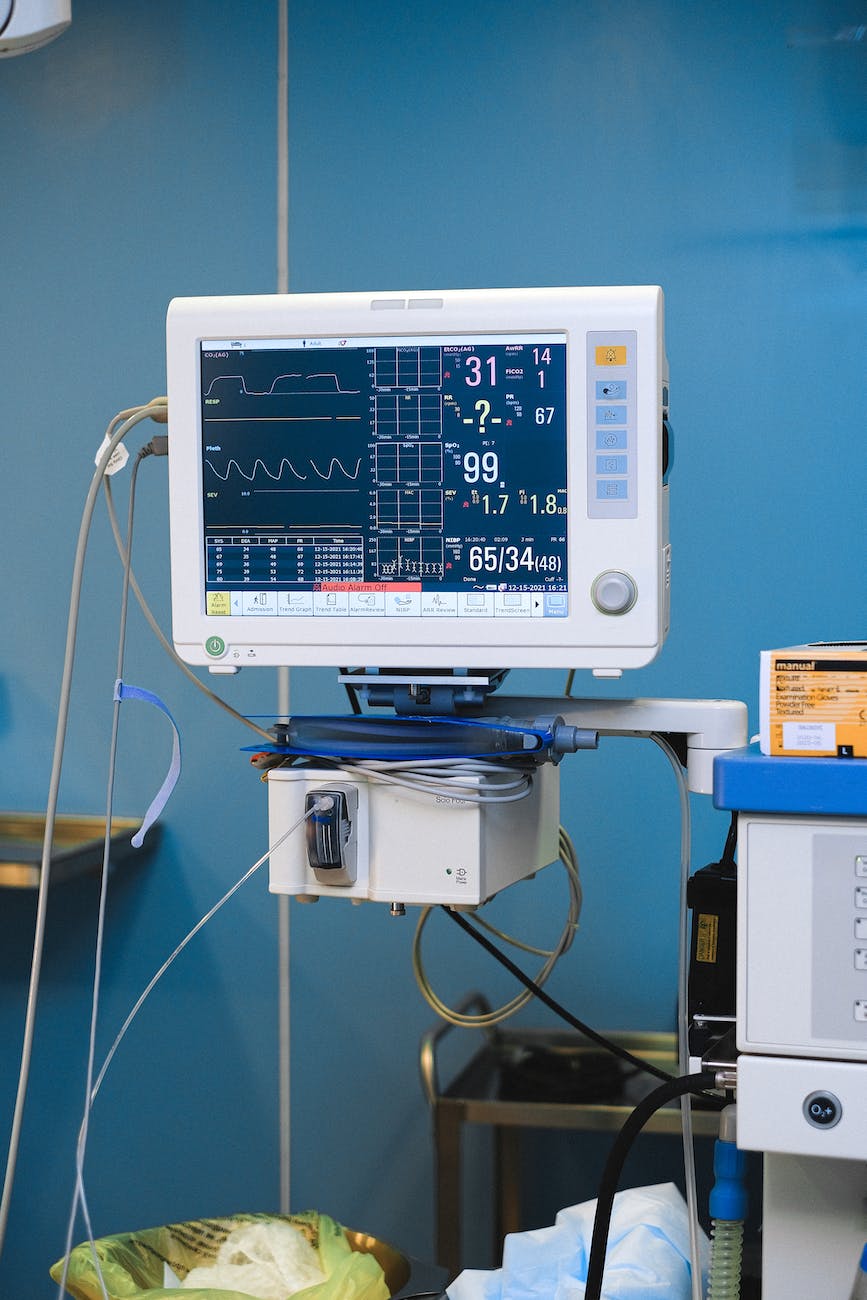
My husband and I knew when our son was born, he’d likely need to stay in the NICU. We were thankful to know this ahead of time, as it helped set our expectations going into our delivery. If you’re interested in the details of our NICU experience, you can find them in my article Dear NICU Mama: this won’t last forever.
In short, the stay ended up being far lengthier than either of us had expected. I remember around day thirteen looking at my husband and saying: “they need a how-to guide on getting out of here.” Toward the end, we were spinning in circles, wondering what we needed to do to get home.
We walked into the NICU as new and inexperienced parents who had know idea what to expect. We were trusting of the experts, confident that they had dealt with this before and would know what to do.
We walked out a little wiser, having learned a thing or two. In hindsight, had we known these things, it may have affected some of our decisions.
Before getting into the three main things I wish I’d known, let me just disclaim that while we experienced frustrations, we did receive excellent care throughout our NICU stay. This is not intended to disparage any of the healthcare providers who helped us walk through this season. In addition, some of this content may be unique to our clinic and location.
1. The NICU may not be as experienced with cleft babies as you might think
Clefts are one of the most common birth defects, with Canada having one of the highest rates in the world, so when our son was admitted to the NICU, I made the assumption that the doctors and nurses must have seen and handled tons of babies like my son.
As we progressed through our stay in the NICU, however, it became clear that there was a wide range in the level of experience each person had working with cleft lip and palate.
Feedings were the primary way we became aware of this. When meeting with our cleft lip and palate clinic antenatally, they had given us very specific instructions on feeding. They recommended the Dr. Brown Specialty Feeding System. They told us how to hold him, how to place the bottle in his mouth, etc.
Naturally, we assumed the NICU had this same information. We brought our Dr. Brown bottles in with us to the hospital, with the expectation that the nurses would use them.
The trouble was, we got a lot of mixed messaging with feeding. Some nurses had never heard of the Dr. Brown bottles and were more comfortable using the Haberman bottle.
The doctors waffled between which was better. Some nurses laid him on his back turned sideways to feed. Others propped him at an angle. My husband did his best to be there for as many feedings as possible, but with my daughter and I in pretty rough shape, it was impossible for him to stay 24/7.
As a result, our son had a lot of inconsistency in his feedings. After a couple of days, he developed sores on his palate that stopped his bottle feeding journey altogether for the next ten days.
When we were eventually transferred to the hospital where our cleft lip and palate clinic was stationed, our speech pathologist came for a visit and once again directed the nurses to use the Dr. Brown Specialty Feeding System. The sores on his palate had healed enough by this point to try bottle feeding again. This hospital stuck to these bottles, as did my husband and I, and we never had any trouble with sores again.
We can’t be certain what caused the sores on his palate to develop, but in hindsight, I would have been much more insistent that he be fed with the bottles we provided. If only for consistency for our son learning to eat, I think it would have made a huge difference. At a minimum, we would have been able to rule out one possible cause for his sores.
It’s hard when you don’t have the education and experience to be confident in sticking up for yourself and your family in the hospital. But, as your baby’s parent, you have the right to advocate for your child. I wish I had done a better job of this.
2. Your cleft lip and palate clinic will be your best friend – after you’re discharged
I think a lot of our issues getting discharged from the hospital could have been easily resolved with the simple sentence: “our cleft lip and palate clinic only works with outpatients.” If only we had been aware of it. If only our NICU had been aware of it.
There seemed to be a chronic misunderstanding between the NICU and the clinic on what they would and wouldn’t do. The NICU seemed to be under the impression that the cleft lip and palate clinic could offer us solutions that they quite simply couldn’t. This was one of the major reasons why we were transferred from one hospital to another. At the time, my husband and I were assuming that the NICU staff must work frequently with the clinic – not a safe assumption.
The original NICU suggested that the clinic might be able to have the surgeon come look at our son and consider moving up his lip repair surgery, since his cleft was so severe. Or perhaps they would want to introduce a NAM or lip taping to help with his feeding issues.
Eventually, toward the end of our stay, we did see the main coordinator for our clinic. She gave it to us pretty straight: his cleft wasn’t any worse than others that they’d seen before. They wouldn’t be moving up his surgery; it wasn’t necessary. Lip taping is used as a way to bring the lip together before lip repair surgery. It’s not a tool to help with feeding. The NAM is also not a tool for feeding – in fact, it’s not recommended for children with feeding issues. It’s also very common for babies with clefts to go home with feeding tubes.
All of this information sounded pretty sensible. It was delivered with absolute confidence. But all I could think throughout the conversation was: “how does the NICU not know this? How did we get to the point of transferring hospitals without some of these points being brought up?”
I still don’t have an answer and to be honest, at the time I was starting to doubt the competence of the clinic. I had heard nothing but good things about them, but we were not off to a good start.
Since coming home, I can say truthfully that our clinic is excellent at what they do. They have always been very on top of our appointments, monitoring my son’s progress, keeping in touch about any concerns they’ve had along the way. Our surgeon and feeding team in particular are fantastic.
But, there seems to be a bit of a black hole between delivery and discharge that the clinic doesn’t get involved with. This was the most frustrating time for us, because neither we nor the NICU were clear about the clinics’ role while we were inpatients. Instead, we were in the hands of doctors and nurses who were doing their best but really were not experts on cases like our son’s.
Knowing what I know now, I would have pushed back more strongly against our first hospital transferring us. I would have insisted on better communication between the NICU and the cleft lip and palate clinic and likely would have reached out directly to them to verify what we were being told by the NICU.
3. Don’t be afraid of the NG tube
I will admit that I was more willing to go along with the extended NICU stay when I thought there was light at the end of the tunnel for getting him off the feeding tube and onto strictly bottle feeding.
The first hospital was very reluctant to send us home with a feeding tube, and quite frankly I was pretty terrified of managing it.
However, the longer we were in the hospital, the more we realized that we had a long road ahead of us to get him off the tube. When the hospital started talking about moving him to pediatric care (he was in the NICU up until this point, but didn’t have any health issues keeping him there), we balked at the idea of keeping him longer in the hospital for the sole purpose of eating.
We were driving an hour in and an hour home everyday with our other newborn daughter and we were exhausted keeping up with the pace. We wanted our baby home.
Once we expressed our desire to be trained on the NG tube and bring our baby home, the hospital did a great job training us and connecting us with the Home Care team that would provide our supplies. My husband and I had no trouble doing the insertion and were given lots of information on how to use it properly.
Was it pleasant? Absolutely not. But, it wasn’t nearly as scary as I’d built it up to be in my mind. We had to do it, so we did. It’s amazing what you’re capable of doing when you have to.
If I could do things over, I wouldn’t have been so reluctant about the NG tube. It was the inevitable outcome and we wasted precious time that could have been spent at home by delaying it. In the end, it took just over two-and-a-half months to wean him off it. It was never going to be a quick resolution and knowing that now, it wasn’t worth the extra time in hospital.
Conclusion
Every person’s experience in the NICU with a cleft baby is going to be different. Hopefully, the palate sores are a rare complication and most babies have an easier time transitioning to the bottle. Hopefully, a baby’s stay is rarely long enough to witness any of the gaps that might exist in the healthcare system.
But sometimes, these things happen. If I could do things over, I would certainly do them differently and I have much more experience now than I did as a newly postpartum mom. I’m so thankful that our stay wasn’t extended any longer than it was.
Though I may have criticisms, we did meet with many, many wonderful doctors and nurses throughout our experience. Our NICU nurses were always kind and willing to answer our questions.
Would I love for there to be more knowledge about handling a baby with cleft lip and palate and how to get them discharged? Yes. But, I also recognize that we were just one case in many babies that they were caring for. It’s impossible to know everything about every condition.
So, while I see areas for improvement, I am also incredibly grateful for the people that helped us get home, happy and healthy.
 Love the Unexpected
Leave a comment